University of Manchester announces new partnership with Médecins Sans Frontières to drive expertise exchange amid global crises
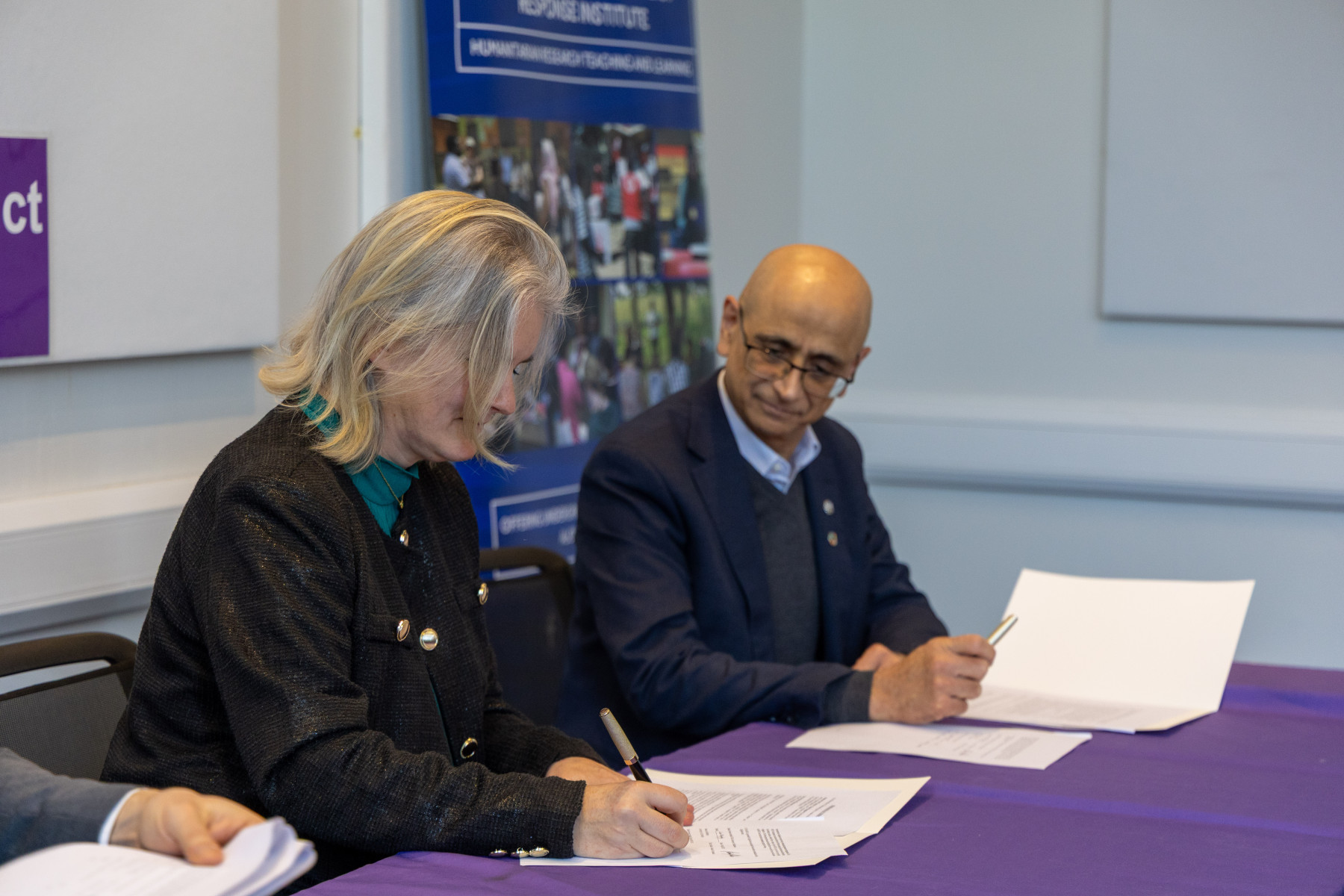
On 3 March, ÌÇÐÄVlog¹Ù·½ signed a Memorandum of Understanding with Médecins Sans Frontières () UK, a leading body in international medical assistance and humanitarian response.
At a time of interconnected global crises, this partnership is grounded in two-way learning: MSF’s frontline operational experience will inform research-led teaching at Manchester, while the University’s interdisciplinary expertise will support critical reflection, enquiry-based learning, and innovation in humanitarian practice.
This partnership will deepen the relationship between the two institutions, developing associated teaching and research collaborations, improving awareness of mutual expertise, and expanding the networks which facilitate cooperation.
Operating in over 75 countries, such as Iraq, Afghanistan and Sudan, MSF provide life-saving medical humanitarian assistance where it is needed most and use their expertise to ease the suffering of those in crisis situations around the world.
This is partnership at its best - which is at the heart of our Manchester 2035 strategy. Our researchers and students stand to gain enormously by learning from MSF's expertise and frontline experience in humanitarian response.
Meanwhile, our innovative research is shaping how humanitarian leaders are trained – across ethics, human rights, health, climate change and disaster preparedness. All of which means MSF, with our support, stays at the cutting-edge of crisis response.
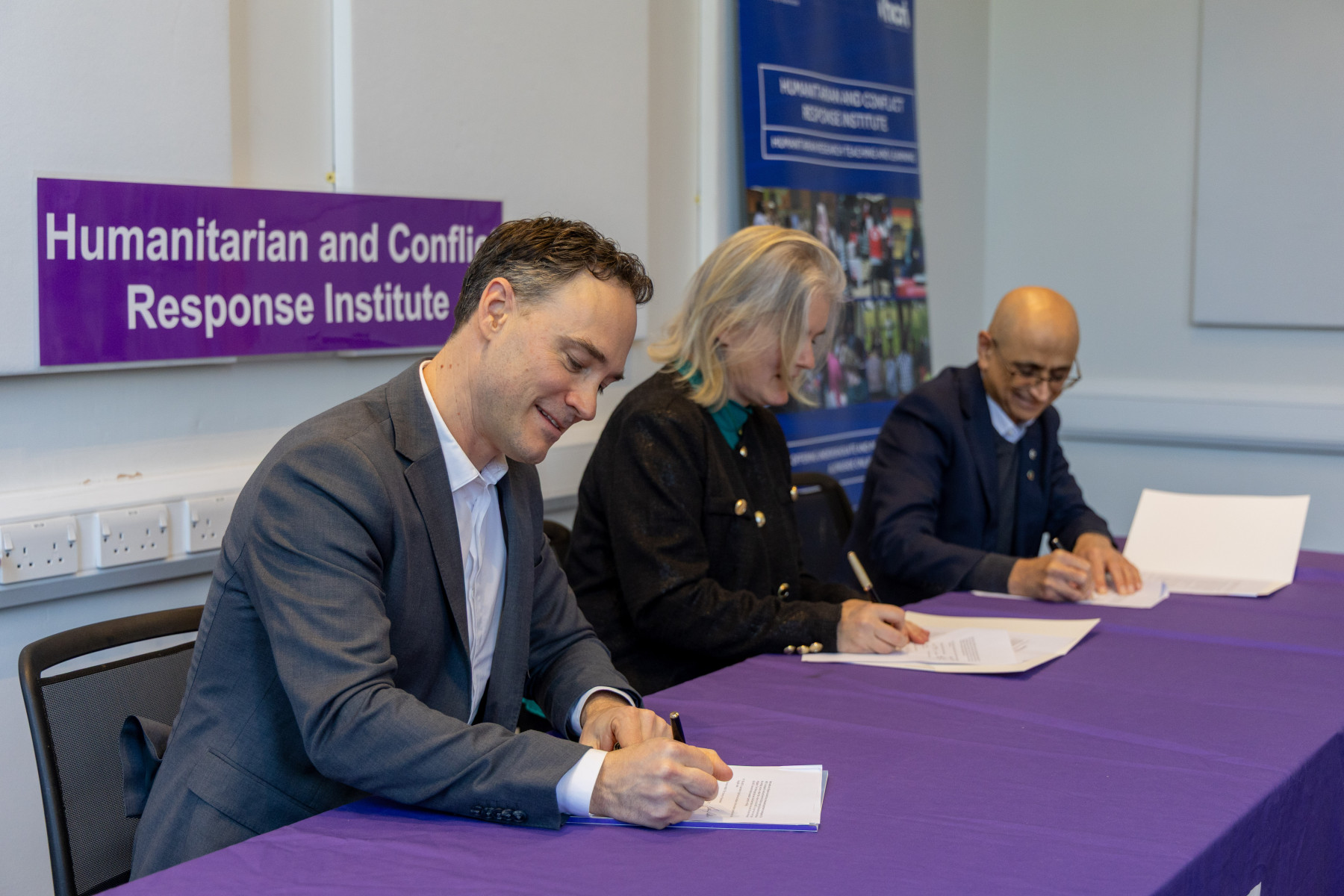
Médecins Sans Frontières and ÌÇÐÄVlog¹Ù·½ share a deep commitment to advancing humanitarian practice through research, critical reflection, and innovation.
This partnership represents an exciting opportunity to strengthen our collaboration with a globally respected academic institution, especially at a time when the challenges and dilemmas confronting humanitarian practitioners are more pressing than ever.
For the next four years, the University will continue to take on cohorts of MSF staff for blended learning through its Leadership Education Academic Partnership (LEAP) Programme in Humanitarian Practice, a collaboration between the University’s Humanitarian and Conflict Response Institute (), the Liverpool School of Tropical Medicine and MSF.
The new partnership aims to build on the benefits of staff exchange, stimulating academic input in research and development projects at MSF, and the creation of joint seminars and events, with staff from both organisations holding a mutual presence on steering committees and bodies such as MSF’s internal think tank, Centre de Réflexion sur l'Action et les Savoirs Humanitaires (CRASH).
Professor Nicolas Lemay-Hébert, Executive Director of HCRI, said: “The HCRI is committed to bringing together a broad range of expertise to facilitate positive global change and improve worldwide crisis response.
“Our part in helping to train MSF’s leaders through our multi-disciplinary approach to humanitarian solutions is an essential part of this mission. This partnership will benefit from a sharing of valuable expertise and resources and will work to accelerate that global change.�
The partnership also builds on what is an already-strong student engagement with MSF through Friends of MSF Manchester, a student-led society for students interested in international crises, health equity and humanitarian work.
This new arrangement will allow the University to influence humanitarian activity by providing world-class research and resources to support MSF’s global humanitarian work in crises such as the civil war in Sudan, or widespread malnutrition, while gaining insight from MSF’s operations across the globe.