Two Manchester researchers recognised in L'Oreal UNESCO for Women in Science programme
Dr Emma Fairbanks from the Department of Mathematics and Dr Micaela Chacón from the Manchester Institute of Biotechnology have been recognised in the prestigious awards, aimed at keeping women in science.
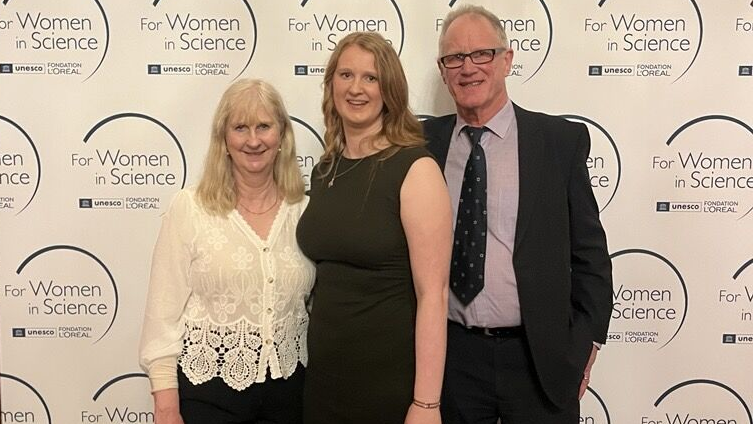
Founded in 2007, the L’Oréal-UNESCO For Women in Science UK and Ireland Young Talent programme recognises ten – five winners and five highly commended – outstanding early-career scientists in the fields of engineering, life sciences, mathematics and computer science, physical sciences, and sustainable development.
This year, the finalists were celebrated at an intimate awards reception hosted at Speaker’s House with the five award winners receiving a fully flexible grant of £25,000 to be used as each individual winner chooses. Two Manchester researchers were recognised: Dr Emma Fairbanks, from the Department of Mathematics, who won the mathematics and computer science category for her work on modelling disease vectors, and Dr Micaela Chacón, who was highly commended in the sustainable development category for her research at the interface of environmental microbiology and biotechnology.
Dr Emma Fairbanks, Healthier Futures Research Fellow, Department of Mathematics
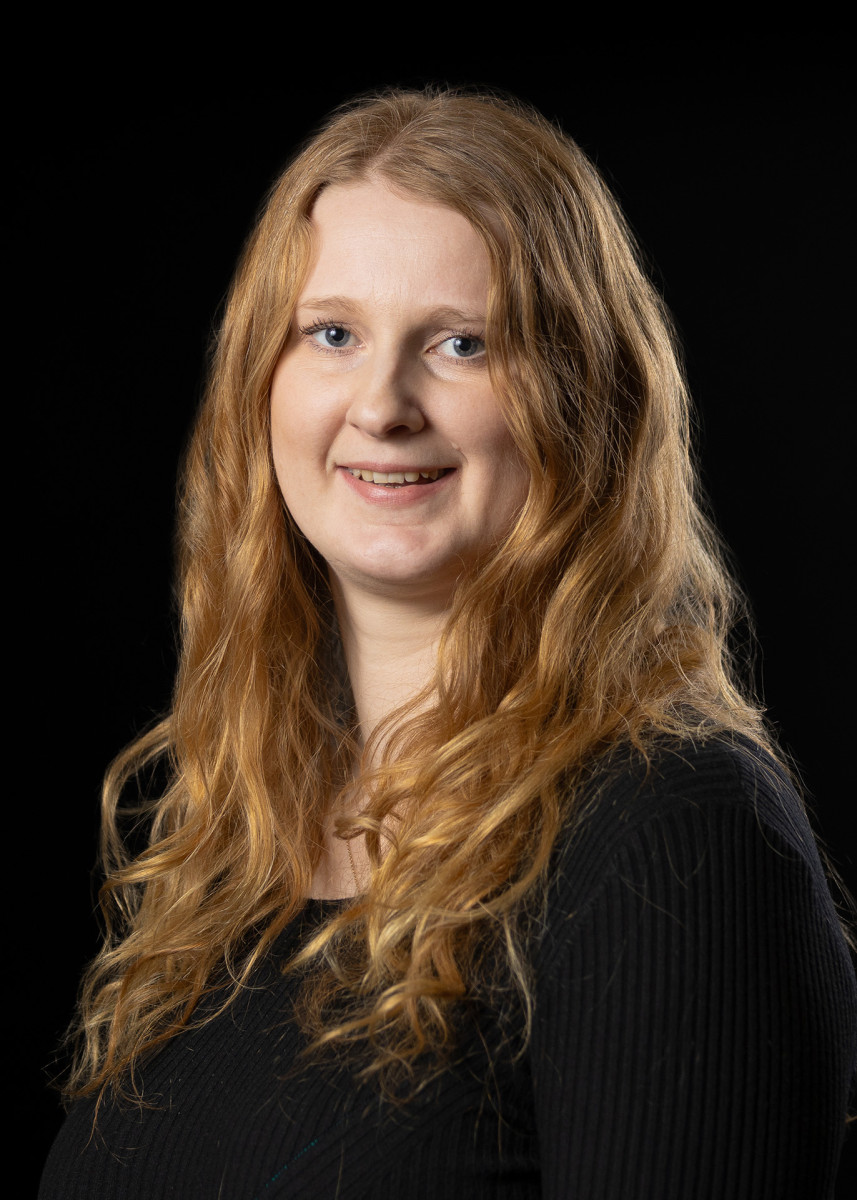
Emma’s work focuses on improving targeted interventions to reduce disease transmission in countries affected by malaria.
Traditional malaria-control models often assume homogeneous populations – made up of people with the same characteristics – or account only for age structure. Emma's models incorporate additional dimensions of heterogeneity, including occupation, housing quality and other socioeconomic variables.
These refined modelling approaches have shown how targeted interventions can be far more effective. For example, Emma demonstrated that Cambodia could reduce malaria infections with 60% less product through smarter targeting of preventative interventions.
Reflecting on the award, Emma said:
I was quite shocked to be honest; I wondered if they’d made a mistake. But it was nice to be recognised, especially as an interdisciplinary mathematician.
Dr Micaela Chacón, Research Fellow, Manchester Institute of Biotechnology
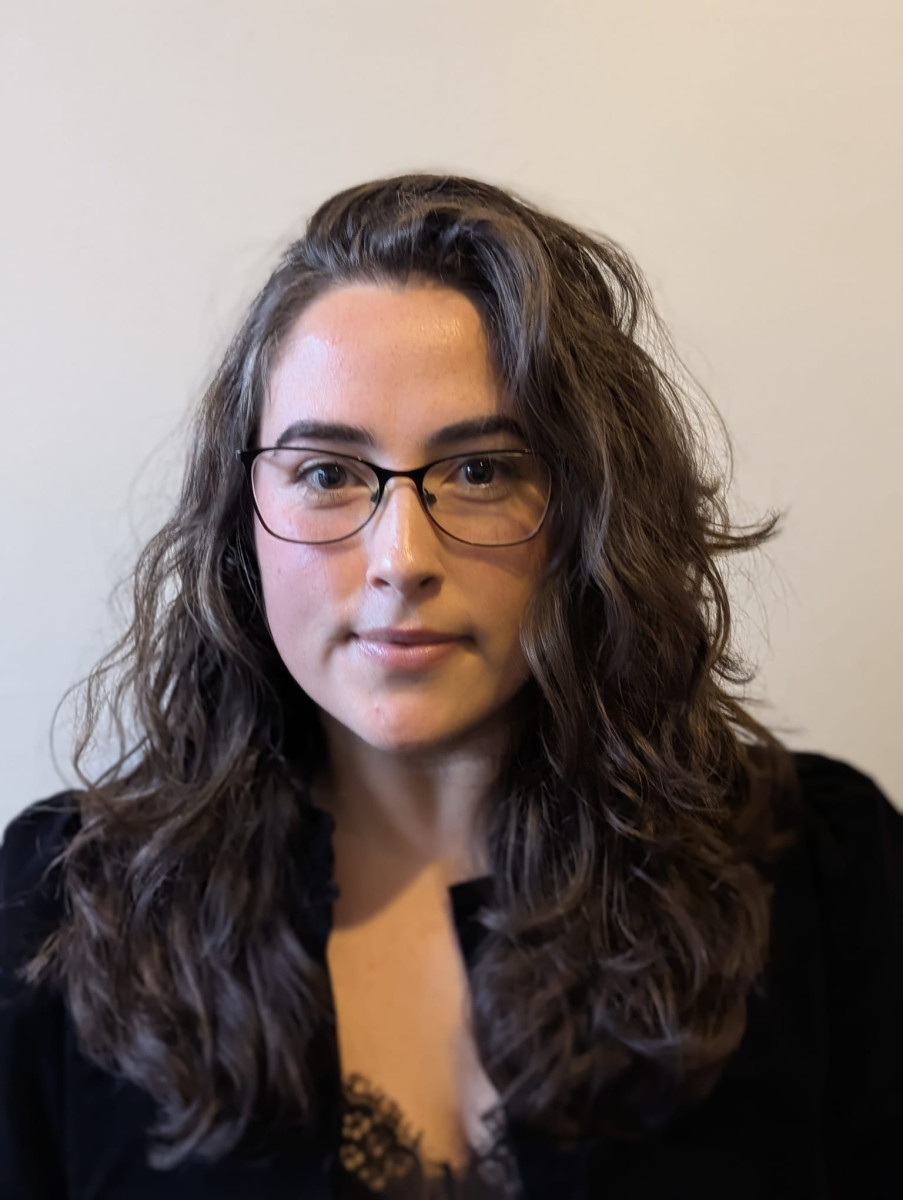
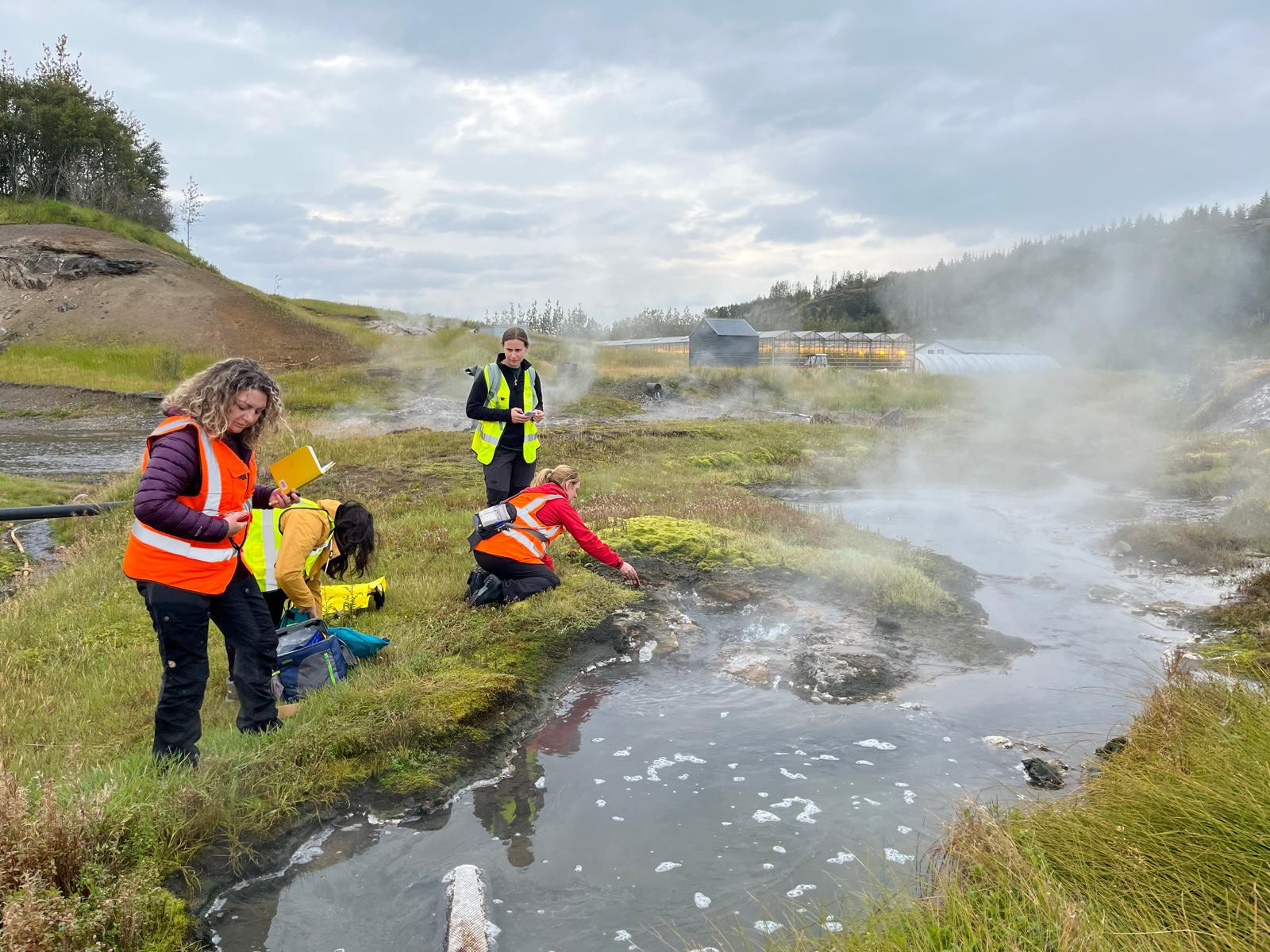
Micaela received highly commended up in the sustainable development category for her work on mixotrophy – a process where microbes can metabolise both organic carbon and carbon dioxide (CO2). This underexplored area has the potential to transform bioproduction by making it more efficient and sustainable.
Speaking about the recognition, she described the experience as “validating�, and that “having your work recognised externally can help counter the quiet self-doubt that many researchers carry, particularly women�.
She also added that she was proud that she applied because “often that is the biggest hurdle, believing you are good enough to put your name forward�.
How the awards are helping women researchers
Both Emma and Micaela emphasised the value of the programme’s flexible funding, noting that it comes with fewer restrictions on how it can be used.
“I know that a lot of people will use the money to stay in academia by paying for childcare, or elder care. Anything that will keep a woman in science is what they’ll fund,� said Micaela.
Emma added that the funding helps researchers balance career pressures with life commitments.
“Universities often don’t realise the impact one or two-year contracts have on young women, especially if they are considering starting a family�.
When asked how she would use the money Emma said she plans to invest in training and developing software interfaces so policymakers and medical practitioners can use her models to better target disease hotspots. The flexibility of the funding will also help her strengthen collaborations with partners in South America, Africa and Asia – places that are often overlooked by other funding schemes due to distance.
And some words of wisdom
When asked what advice they would give their younger selves, Emma said: “make the career you want. You might not have the most papers, but your work can still have impact. That, for me, is more successful than some of the traditional measures of success.�
Micaela added “find an older woman, early, who will mentor you. There are still subtle challenges women face when navigating their scientific career, so, if you can learn from someone who has already done the navigating, that is invaluable�.
Her final piece of advice: “just do it. Just put yourself out there. Failure isn’t something to fear – it’s one of the ways we learn how to succeed�.