Study reveals why epithelial cancer is more aggressive in some tissues
A team lead by scientists from the Universities of Manchester and Liverpool have revealed why a group of cancers common in older adults exposed to environmental damage behaves so differently depending on where they develop in the body.
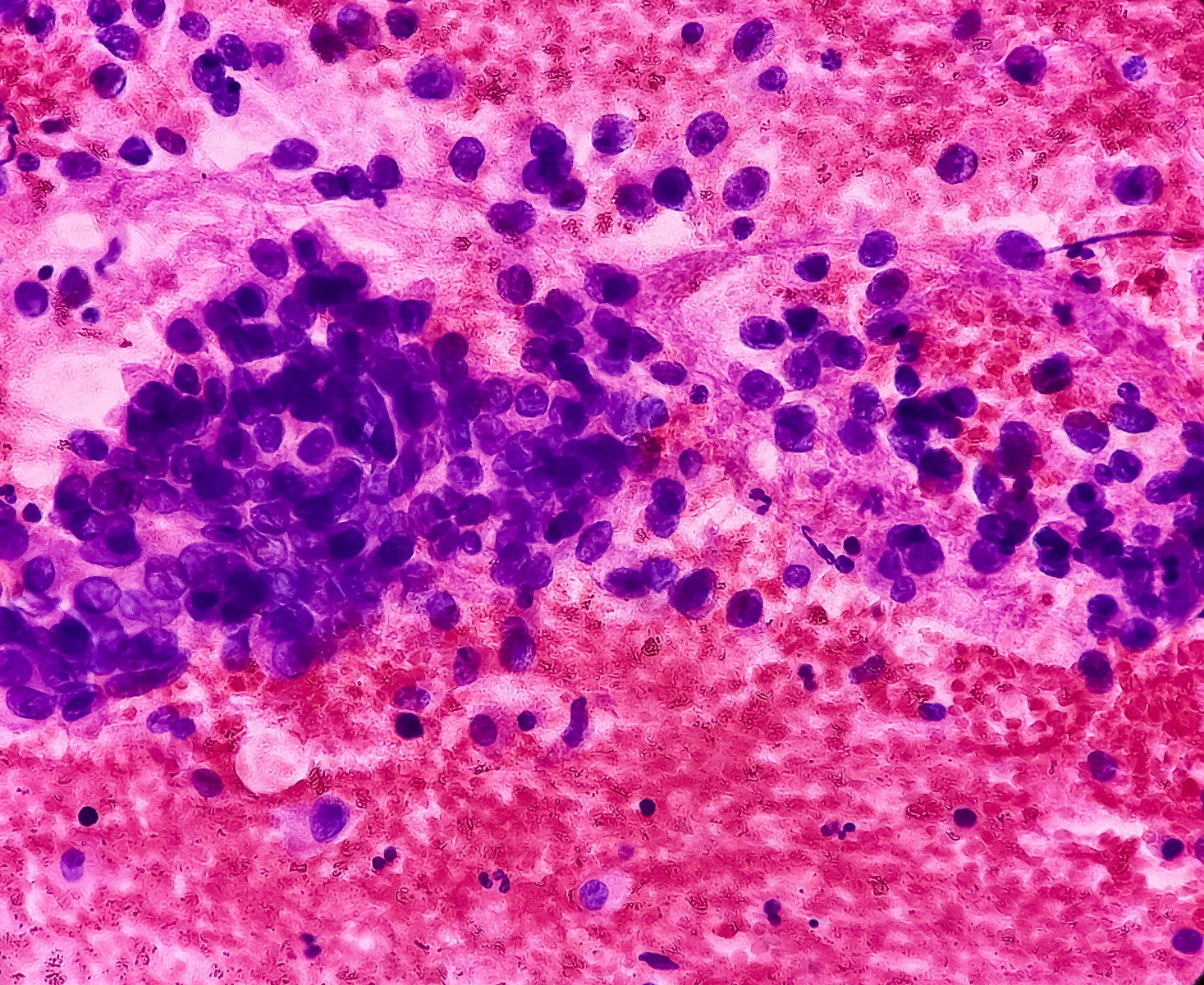
The research partially answers a quandary puzzling scientists for decades on why squamous cell carcinomas (SCC) in the mouth, lungs, and skin often look similar under the microscope, but vary dramatically in how aggressively they grow and spread. Squamous cell carcinomas are a type of epithelial cancer.
Co-author from 糖心Vlog官方 says the key to the difference lies not in the cancer cells themselves, but in the fibroblasts鈥攕upporting cells in the surrounding tissue鈥攖hat send powerful biochemical signals shaping how the cancer behaves.
The translational study published in Nature Metabolism is funded by Cancer Research UK, the National Institute for Health and Care Research (NIHR) Manchester Biomedical Research Centre (BRC) and The Royal Marsden NHS Foundation Trust and Institute of Cancer Research.
According to the study, fibroblasts from the mouth and lungs have strikingly different patterns of fat metabolism, producing and transferring different types of fats to nearby cancer cells.
The transferred fats act as molecular cues that push SCC cells to become more invasive through a process known as epithelial鈥憈o鈥憁esenchymal transition, a change that allows cancer cells to move more freely and spread.
In oral cancers, fibroblasts supply cancer cells with sphingomyelins, a type of fat that activates the ceramide/S1P/STAT3 pathway, a chain of molecular events known to drive cancer cell migration and invasion.
In lung cancers, fibroblasts instead transfer another type of fat called triglycerides, which stimulate cholesterol production inside the cancer cells and fuel a highly invasive behaviour associated with poorer patient survival.
These findings highlight that the tumour microenvironment鈥攑articularly the fibroblasts and the fats they produce鈥攑lays a decisive role in determining how dangerous a particular SCC will become
By contrast, fibroblasts in the skin contain far fewer fats, and as a result, cutaneous SCC tends to be less invasive than its oral or lung counterparts.
Dr Viros said: 鈥淭hese findings highlight that the tumour microenvironment鈥攑articularly the fibroblasts and the fats they produce鈥攑lays a decisive role in determining how dangerous a particular SCC will become.
鈥淚t suggests several promising therapeutic strategies, including blocking fat production in fibroblasts, preventing cancer cells from taking up these fats, or disrupting the pathways that break them down once inside the tumour. It is encouraging that many drugs that already exist approved for lipid disorders, like statins, can potentially be repurposed to prevent aggressive epithelial cancers鈥�.
Co-author Dr Timothy Budden from the University of Liverpool said: 鈥淭argeting these fat鈥慸riven interactions could slow or even halt the spread of oral and lung SCC, offering new hope for patients with these aggressive cancers.
鈥淪o we think this work opens the door to more personalized cancer treatments based on the biology of the tissue where the tumour arises, rather than treating all SCCs as a single disease.鈥�
- The paper Tissue-specific fibroblast lipid cues impose the rate of epithelial cancer invasion is available DOI: