RLUK 2026, and N8 CIR Digital Research Infrastructure Retreat 2026
Reflections on two recent conferences featuring contributions from OOR RDM colleagues
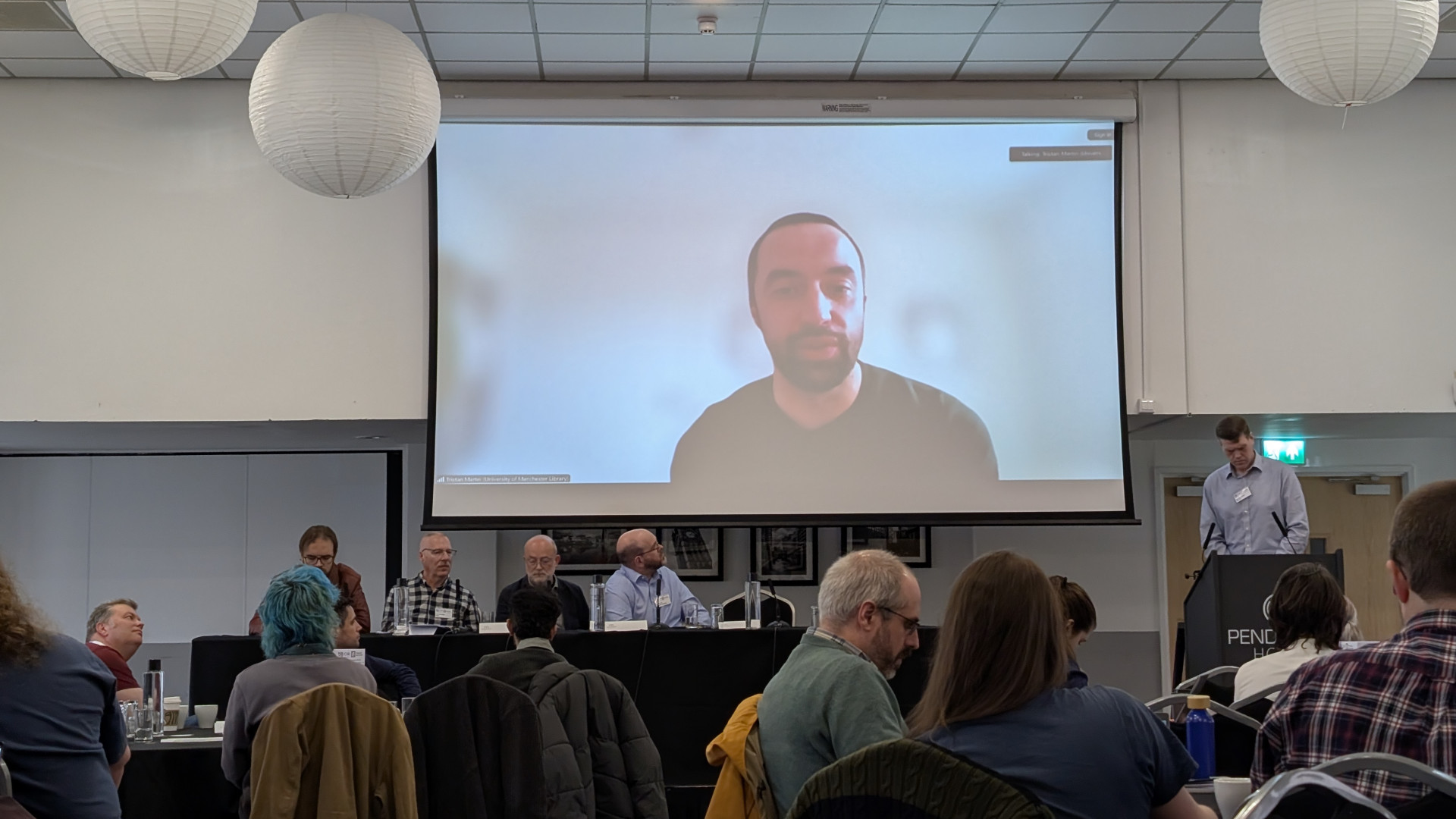
Last month saw the annual N8 CIR Digital Research Infrastructure retreat (at the Pendulum Hotel, Manchester and online) and Research Libraries UK (online) conference.
For those of you not familiar with these organisations:
- The (N8 CIR) focuses on the creation of a Centre of Excellence in CIR methods, skills, and facilities to underpin the strategic research objectives of the N8 universities (Durham, Lancaster, Leeds, Liverpool, Manchester, Newcastle, Sheffield and York).
- is a consortium of research libraries in the UK and Ireland, including the University of Manchester Library, whose purpose is to shape the research library agenda, and contribute to the wider knowledge economy through innovative projects and services that add value and impact to the process of research.
N8 CIR Digital Research Infrastructure retreat
The supported by UKRI, brings together research data professionals, research software and data engineers, digital research technicians, IT specialists, data stewards and, increasingly, librarians with an interest in research data management and digital infrastructure. Over the five days around one hundred attendees (and more online) interact over a combination of panel sessions and round table discussions, with plenty of opportunities in between for further conversation, networking, and the consumption of miniature pastries and more coffee than is probably recommended.
Each day had an individual but connected theme: Interconnected DRI; Human DRI; FAIR DRI; Sustainable DRI. Naturally, with the importance of the to modern (RDM) best practices, the Office for Open Research RDM team contributed most significantly to the Wednesday FAIR DRI themed day. I contributed to a panel on the challenges of ensuring the long-term usability and accountability for research data, while Bill Ayres (Strategic Lead for RDM) spoke during a session focused on how to increase awareness of the environmental impact and sustainability challenges of long-term data storage and archiving.
Later in the day Bill went one step further and chaired the session Data Management Risks, Lessons Learned, and Cultural Change, with the discussion amongst the panel and attendees focused on the cultural barriers preventing good data management, practical steps for embedding best practices across multiple disciplines, and the challenges of ensuring (DMPs) are treated as living documents, continually reviewed throughout the research project lifecycle.
Overall, just like last year, it was an engaging and interesting event. It is a tremendous undertaking to organise what is essentially a five-day conference, and particular praise must go to the University of Manchester鈥檚 own who leads on the organisation of the retreat for the N8 CIR.
RLUK 2026
By chance I was also scheduled to contribute to a session on research data stewardship at the on the same day and around the same time as the N8 DRI retreat session. Fortunately, the RLUK26 was fully online and the N8 DRI Retreat was hybrid, so I could contribute to both virtually. Less fortunately, it did mean my face being projected on the giant projector screen to all the in-person retreat attendees, who must have been wondering why someone based at the University of Manchester had been unable to attend in person an event being held in central Manchester! It was (honestly) a scheduling issue rather than laziness on my part.
The RLUK26 session was a 鈥榩rovocation鈥� titled organised by myself and colleagues from across the . The idea behind the provocation was for each of five speakers to make five-minute provocative and challenging arguments on the current and future role of research libraries in the building and development of research data stewardship infrastructure, communities, and teams. Should research libraries own data stewardship at their institutions? Do research libraries have the necessary knowledge and expertise? Would it not be better for this to organised entirely at the school and department level?
As you might expect, I tried to make a strong case for the leadership role that research libraries should and could be making in the development of the research data steward profession and infrastructure within UK universities. However, it was certainly healthy to hear counter arguments from fellow panellists and attendees, and to reflect on their alternative approaches. You can come to your own conclusions by watching the recording of the session via the RLUK YouTube channel .
More information
Dr Tristan Martin, Open Research Librarian, Office for Open Research