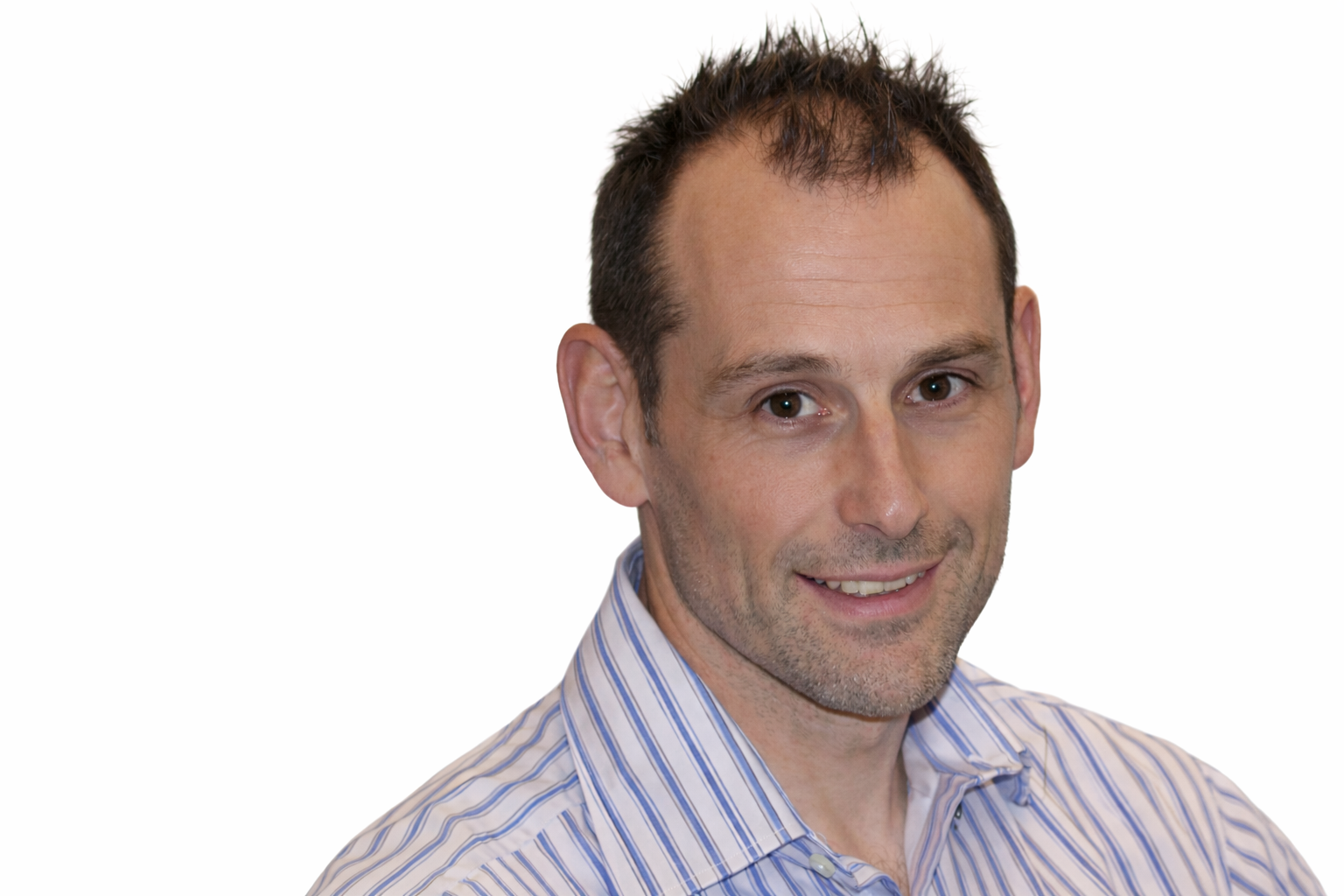
Manchester professor makes prestigious TIME100 Health List
Brian Bigger, an Honorary Professor of Cell and Gene Therapy at 糖心Vlog官方 , has been named in the TIME100 Most Influential People in Health of 2026.
The global list recognises individuals whose work is transforming the future of medicine and public health.
Professor Bigger, now based at The University of Edinburgh, is internationally regarded for pioneering a novel gene therapy for Hunter syndrome, a rare and potentially life鈥憈hreatening inherited condition that affects young children.
The disease causes a progressive, dementia鈥憀ike decline alongside severe deterioration of organ systems, placing immense emotional and physical strain on families.
For decades, congenital genetic diseases like Hunter syndrome have faced limited treatment options.
Because they affect relatively small numbers of children, they have historically received less attention from drug developers, leaving families with few therapeutic avenues and little hope for long鈥憈erm improvement. However, Professor Bigger鈥檚 research helped shift the landscape.
His work focuses on delivering a missing gene鈥攔esponsible for producing a critical enzyme鈥攊nto patients' own blood stem cells, which engraft in the bone marrow and brain. The enzyme is also tagged with a peptide to improve uptake into the brain where it is needed, a challenge that has long hindered progress in treating neurodegenerative childhood disorders.
The therapy aims not only to slow the disease but to fundamentally alter its trajectory.
It came as a tremendous surprise and honour to receive this recognition from TIME. I am humbled to be included in such an esteemed group of innovators and leaders, who are impacting and advancing the world of health
In February 2025, a boy from California became the first patient in the world to receive infusions of the gene therapy developed in Bigger鈥檚 laboratory as part of an early鈥憇tage clinical study.
Now three years old, he has shown sustained improvement, offering new optimism for families affected by the condition and marking a milestone in the field of paediatric gene therapy.
Professor Bigger said: 鈥淚t came as a tremendous surprise and honour to receive this recognition from TIME. I am humbled to be included in such an esteemed group of innovators and leaders, who are impacting and advancing the world of health.
鈥淭his recognition really belongs to the hard work of so many colleagues in Manchester and Edinburgh, as well as collaborators, patient organisations and families, scientists and clinicians, academia and industry, working together to make our stem cell gene therapies for childhood dementia a reality.
鈥淚 hope this recognition will mean that we can help more families with these devastating diseases through innovative stem cell and gene therapies for dementia and beyond.鈥�