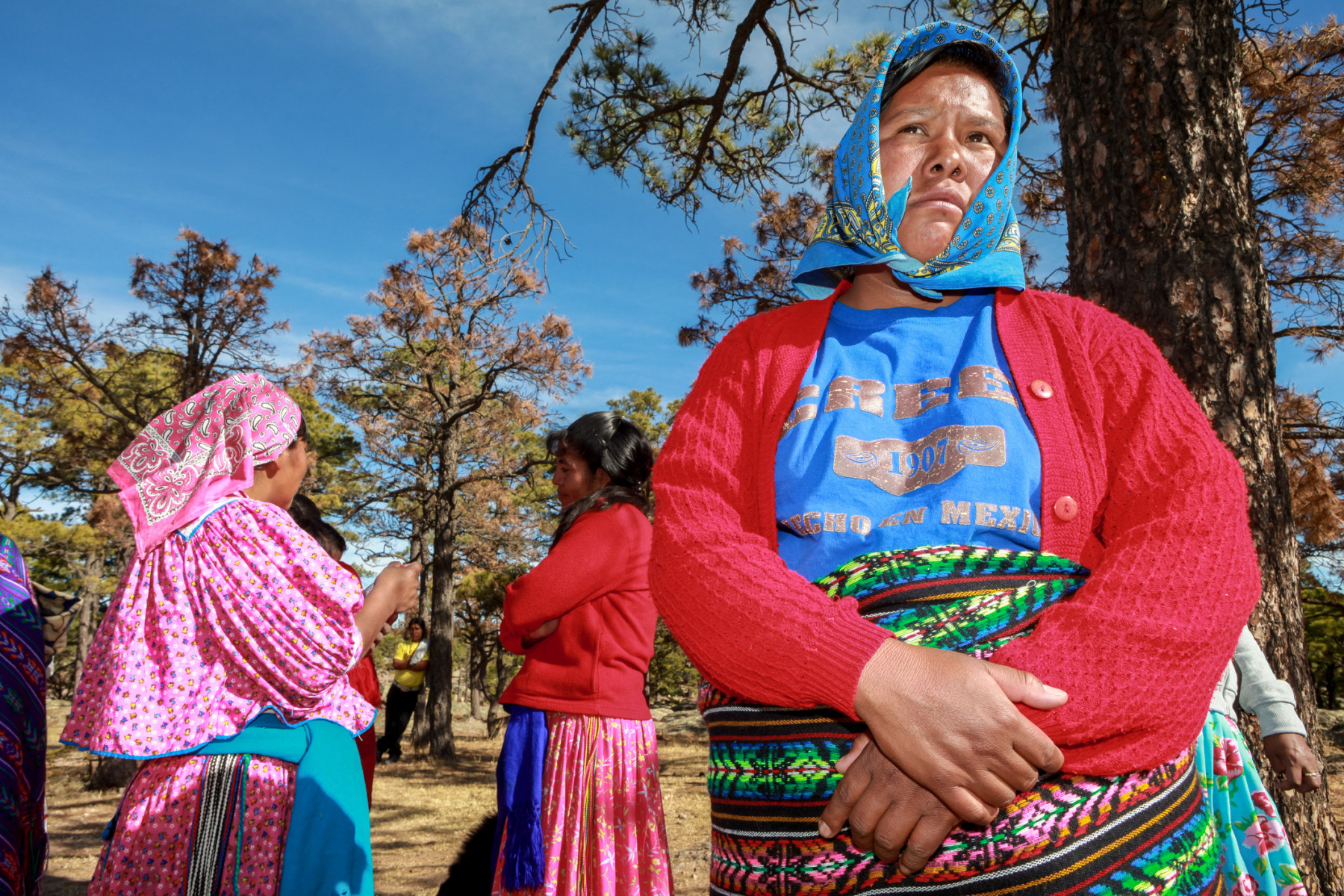
Why community voices could make or break world鈥檚 forest restoration plans
A new study has revealed a critical gap between global promises to restore forests and what is happening on the ground for the communities who depend on, manage and care for them.
The research, led by researchers from 糖心Vlog官方 and published in the journal , is based on a detailed assessment of national policies in Mexico. It found that while governments are increasingly committed to restoring ecosystems and tackling climate change, indigenous peoples and local communities are recognised in policy but rarely given any meaningful decision-making power in restoration projects.
Forest Landscape Restoration is seen as a key solution to biodiversity loss, climate change and environmental degradation worldwide. Yet the study shows that even when policies acknowledge the importance of community participation and rights, they often lack the institutional mechanisms needed to translate these commitments into real authority on the ground.
The researchers reviewed 24 government policies created between 1988 and 2024 to see how well they support forest restoration and whether local communities are truly involved in decisions. They found that while many policies talk about protecting nature and improving people鈥檚 lives, far fewer actually give communities a real say in what happens. Only a small number - less than 30% - treat them as equal partners, and just one gives them full control over restoration decisions.
This gap matters because communities already manage large areas of forest globally. In Mexico alone, around 60% of forests operate under community-based land tenure, but relatively fewer than 6% of documented restoration projects report meaningful participation beyond consultation. Without community leadership, restoration efforts risk being less equitable and less effective.
The study also identified structural barriers that limit progress, including fragmented coordination between government agencies, limited institutional capacity, short-term funding cycles, and insufficient guidance for implementation at local level. These factors make it difficult to turn ambitious national commitments into practical action within communities and landscapes.
At the same time, the research highlights opportunities. Many policies increasingly recognise Indigenous rights, traditional ecological knowledge and the potential for restoration to support livelihoods and climate resilience. Strengthening cross-sector collaboration, funding and governance could help bridge the gap between policy ambition and real-world outcomes.
鈥淵ou can recognise indigenous rights in policy, mandate consultation, and still never transfer decision-making power to the people who manage these forests,鈥� said lead researcher Mariana Hernandez-Montilla. 鈥淥ur research shows this is exactly what's happening - consultation is treated as participation, but it's not the same as authority.鈥�
If restoration is going to work for climate, nature and people, communities need to be at the centre of decision-making, not just consulted about it.
Although focused on Mexico, the findings have global relevance as countries accelerate restoration pledges and international initiatives led by organisations such as the United Nations. The researchers hope their work will help policymakers to design fairer, more effective restoration strategies, ensuring that efforts to restore nature also strengthen communities and deliver lasting benefits for people and the planet.
DOI: