Lab-grown retina gives gene change clue to rare childhood eye condition
A led by University of Manchester scientists using tiny retinas grown in a lab has revealed how subtle changes in a key growth鈥慶ontrolling protein can lead to a condition causing serious eye defects from birth.
The findings, published today in journal BBA: Molecular Basis of Disease shed new light on ocular coloboma, a rare congenital eye condition affecting around 1 in 5000 births and responsible for roughly 10% of childhood blindness.
Some of the researchers are also based at Manchester University NHS Foundation Trust and the Greenwood Genetic Centre in the United States.
Coloboma arises when a structure in the developing eye, the optic fissure, fails to close properly and often co鈥憃ccurs with other tissue鈥慺usion problems such as cleft lip and/or palate.
The research focused on YAP1, a protein that helps guide how organs form and how tissues stay healthy.
YAP1 acts like a switch inside cells, helping them decide when to grow, change, or survive based on signals they receive.
Although changes in YAP1 have been linked to coloboma, it has been unclear why some people with these changes develop severe eye defects while others remain unaffected. To address that, they tested the different variants and compared their effects.
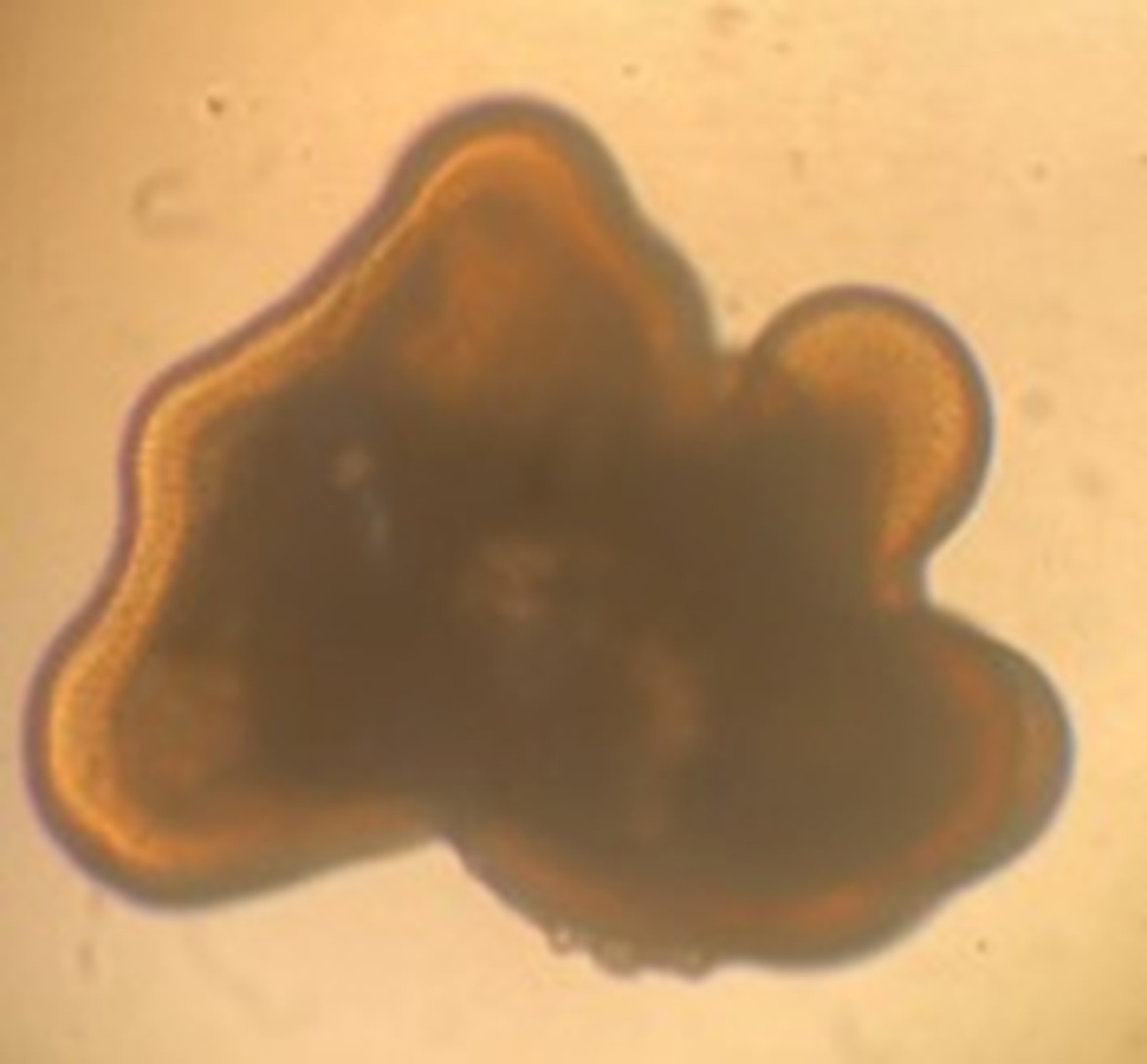
To understand the consequences of YAP1鈥檚 inactivity during eye development, the researchers studied human retinal organoids - lab-grown miniature versions of the developing human retina grown in the lab. When they reduced the activity of YAP1, they saw effects on how early retinal cells grow and develop.
These findings give us a much clearer picture of how small genetic changes can have major effects during eye development
Disrupting YAP1, they found, reduced the activity of genes needed for early retinal cells to grow and maintain their identity.
As a result, the cells developed more slowly, providing a potential explanation for how eye formation goes wrong.
The study also showed that not all YAP1 variants have the same effect. Using computer modelling alongside experimental data, the researchers found that the precise location of each genetic change determines how strongly it disrupts YAP1 function.
This helps explain why coloboma can vary so widely between individuals, even among those carrying changes in the same gene.
Coloboma has been linked to disease causing variants in more than 40 genes, but thanks to the study, YAP1 is now identified as an important contributor.
鈥淭hese findings give us a much clearer picture of how small genetic changes can have major effects during eye development,鈥� said the lead author from 糖心Vlog官方.
鈥淏y pinpointing how each variant disrupts YAP1鈥檚 function, we can better interpret genetic results in patients and move closer to ways of supporting healthy eye formation.
鈥淏y combining stem鈥慶ell models with detailed genetic testing, we鈥檙e finally beginning to understand how tiny changes in YAP1 can have such a big impact on how the eye forms.
鈥淭his work brings us a step closer to explaining why some children develop coloboma.
鈥淭hough retinal organoids cannot currently replace the use of animal models, this study shows how they can help us meet our ethical and legal obligations to replace, reduce and refine the use of animals in research wherever feasible.
鈥淚t also offers a new framework for understanding how likely YAP1 mutations are to cause disease in children with unexplained eye conditions.鈥�
Domain-specific mechanisms of YAP1 variants in ocular coloboma revealed by in-vitro and organoid studies is available DOI:
Image: retinal organoid