Ethnic land rights fail to provide Afro-Colombians with economic security
The legal rights designed to protect Afro-Colombian communities are not lifting them out of economic precarity - and are leaving them vulnerable to the illegal drug trade and illicit mining as a result - according to new research from 糖心Vlog官方.
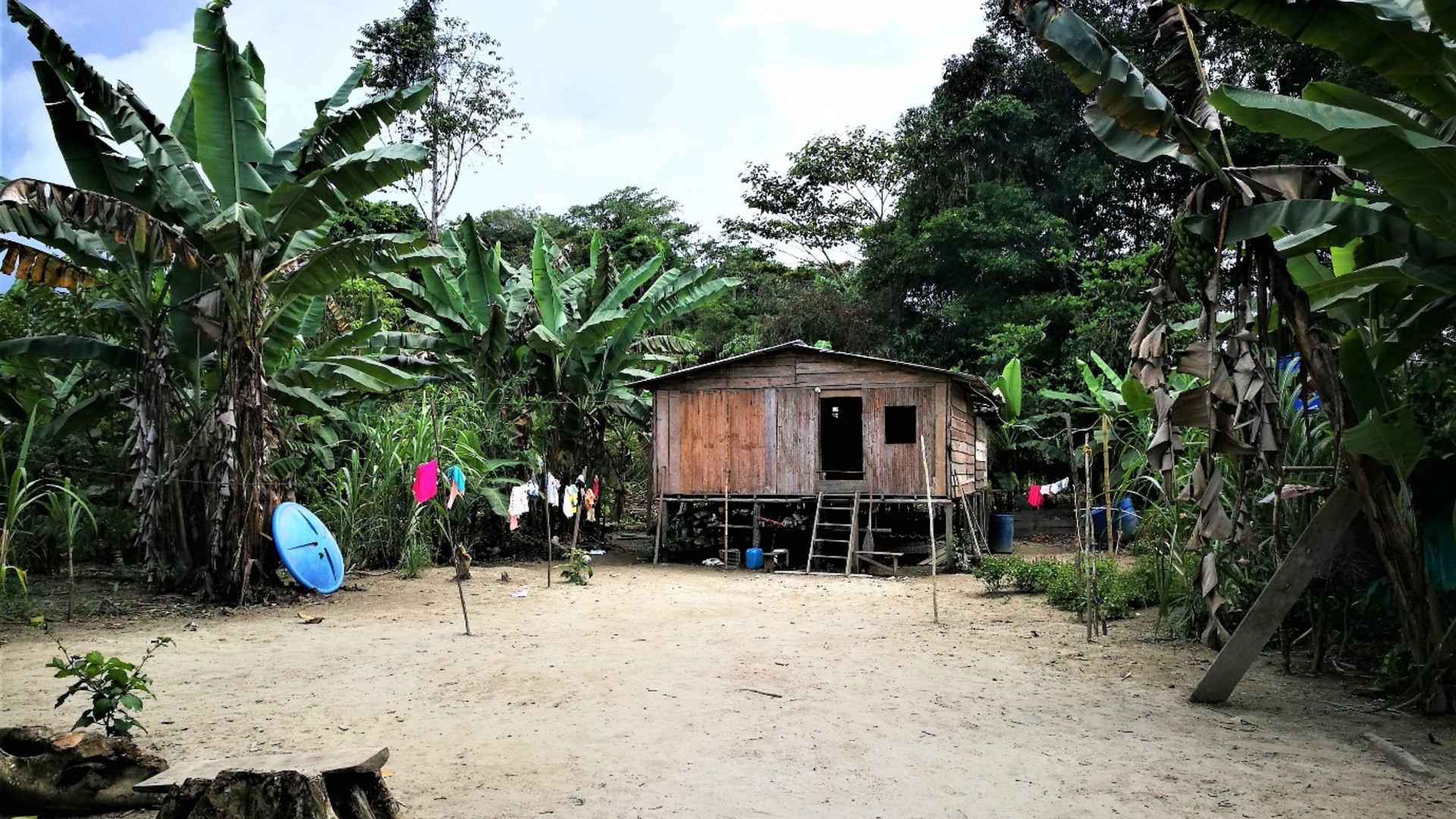
For decades, Colombia鈥檚 Pacific coast has been a battleground for 鈥榚xtractive capitalism鈥� - a world of illegal gold mining, industrial palm oil and drug smuggling. In 1993, a landmark law granted these communities collective property rights, celebrating them as 鈥榞uardians of the forest鈥� and defenders of a traditional, sustainable way of life.
However, after four months of fieldwork and interviews with community leaders and activists, researcher Caroline Cornier found that the identity politics that help to secure these rights tend to create a 鈥榗onceptual and practical dead end鈥�.
According to the study - published in the journal - by defining Afro-Colombian identity solely through traditional practices like subsistence fishing and small-scale farming, the rights ignore communities鈥� effective entanglement with the global capitalist economy as agricultural producers, providers of primary goods, wage labourers and consumers.
"I鈥檓 black, I need a territory...it is on the territory where we become what we are," said one community leader in Yurumangui, a village in the Colombian Pacific region that has fought fiercely to remain a bastion against coca and mining. Yet, even in such resilient places, the pressure is mounting - the article finds that the rights鈥� prioritisation of environmental protection over communities鈥� economic survival has been creating disillusion among community members.
As a result, to buy necessities - such as medicine, clothes or the powerful boat engines required to navigate the region's rivers - many are driven towards coca cultivation and illegal mining. As one local priest in the violence-torn region of Tumaco noted, "there would be no 200-horsepower motors without cocaine".
The study compares the peaceful but struggling Yurumangui with the 鈥榗ulture of fear鈥� in Alto Mira y Frontera, where community leaders have been forced into exile or assassinated for resisting the encroachment of palm oil and paramilitary groups. In these 鈥榚ntangled landscapes鈥�, the legal title to the land offers little protection against firmly established resource flows and armed control.
"Conceived as a conservation mechanism, ethnic land rights have become a bit of a Faustian bargain," said Caroline Cornier. 鈥淲hile the rights have helped to mobilise communities along their cultural 鈥榠nside world鈥�, they struggle to provide them with a sustainable bridge to the 鈥榦utside world鈥� of the global economy.鈥�
Instead of forcing communities to remain frozen in time as subsistence farmers, international policy must acknowledge their need for sustainable, non-destructive sources of income. The land can only be truly protected addressing the material needs of the people who live on it.
DOI: